

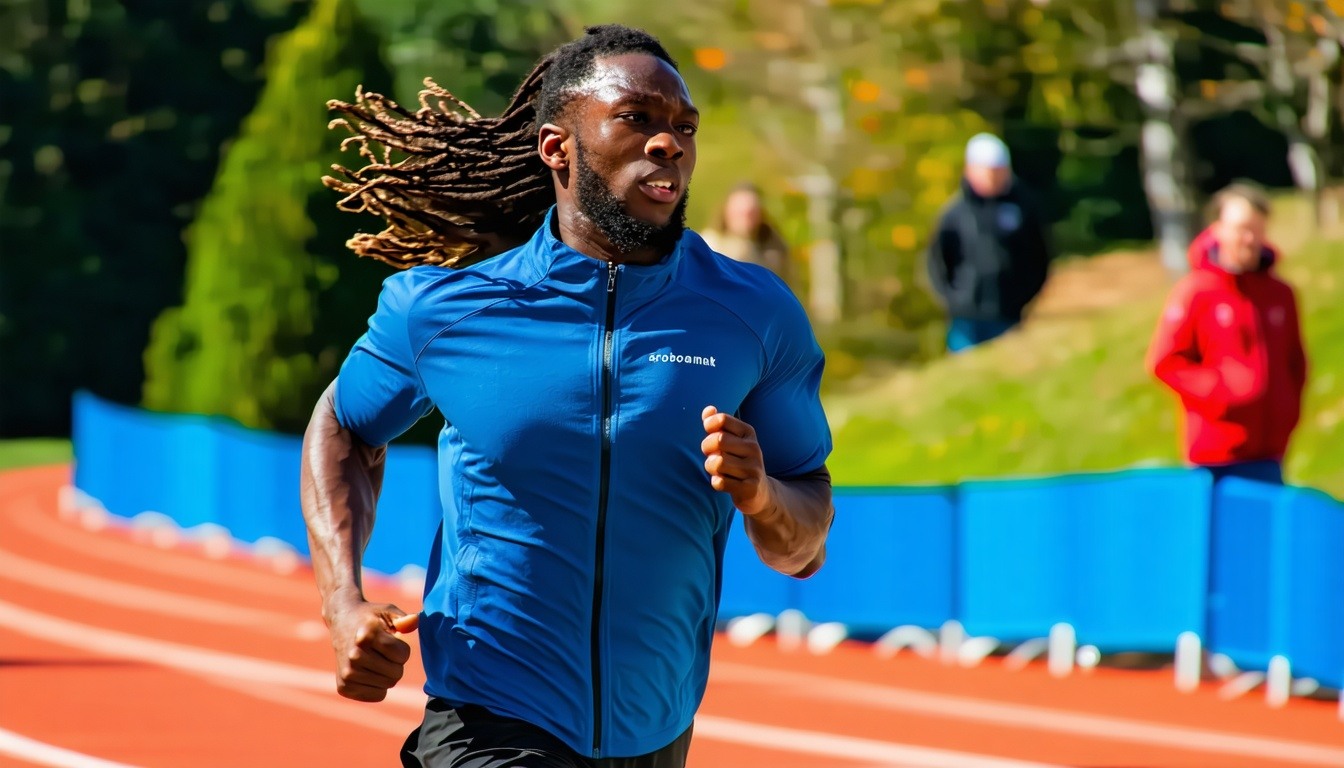
Unlock the power of caffeine to boost your athletic performance and push your limits.
The Science Behind Caffeine and Performance
Caffeine is a well-known stimulant that affects the central nervous system, enhancing alertness and reducing the perception of effort during physical activities. It works by blocking adenosine receptors in the brain, which prevents the onset of fatigue. This mechanism can be particularly beneficial for endurance athletes who need to maintain high levels of performance over extended periods.
Numerous studies have shown that caffeine can improve various aspects of athletic performance, including endurance, strength, and power output. Researchers believe that the ergogenic effects of caffeine are due to its ability to increase the availability of free fatty acids in the blood, which muscles can use as fuel, thus sparing muscle glycogen.
How Caffeine Enhances Endurance
Caffeine has been shown to enhance endurance by increasing the time to exhaustion during prolonged exercise. This is particularly beneficial for endurance athletes such as cyclists, marathon runners, and triathletes. By delaying the onset of fatigue, caffeine allows athletes to maintain a higher intensity for a longer duration.
Additionally, caffeine improves muscle contractility and reduces the perception of effort, making it feel easier to perform at high intensities. This psychological boost can be a game-changer in competitive settings where mental toughness is just as crucial as physical capability.
Optimal Dosage for Athletes
The optimal dosage of caffeine for athletic performance varies depending on the individual and the type of activity. Generally, a dose of 3-6 mg per kilogram of body weight is recommended. For a 70 kg athlete, this equates to 210-420 mg of caffeine. It's important to note that higher doses do not necessarily lead to better performance and can increase the risk of side effects.
Timing is also crucial. Consuming caffeine about 30-60 minutes before exercise allows it to reach peak levels in the bloodstream. Some athletes may benefit from a smaller dose during prolonged activities to maintain its ergogenic effects.
Potential Side Effects and Considerations
While caffeine can enhance performance, it is not without potential side effects. Common issues include jitters, increased heart rate, gastrointestinal discomfort, and insomnia. It's essential for athletes to test their tolerance to caffeine during training rather than on race day to avoid any unexpected adverse effects.
Individual responses to caffeine can vary widely, so athletes should start with a lower dose and gradually increase it to find their optimal level. Additionally, habitual caffeine users may develop a tolerance, reducing its effectiveness over time. Cycling caffeine intake, such as taking breaks from regular consumption, can help mitigate this issue.
Practical Tips for Using Caffeine in Training
To effectively incorporate caffeine into your training regimen, start by understanding your tolerance. Begin with a small dose and monitor how your body responds before gradually increasing the amount. This approach minimizes the risk of adverse effects and helps you find your optimal dosage.
Consider the timing of your caffeine intake. For most athletes, consuming caffeine 30-60 minutes before exercise is ideal. If you're participating in an endurance event lasting several hours, you may benefit from a smaller dose midway through the activity. Lastly, be mindful of other sources of caffeine in your diet, such as coffee, tea, and energy drinks, to avoid excessive intake.